81 RDF Officers Graduate from Rwanda Military Academy Gako

81 RDF Officers Graduate from Rwanda Military Academy Gako
Bugesera, August 4, 2025
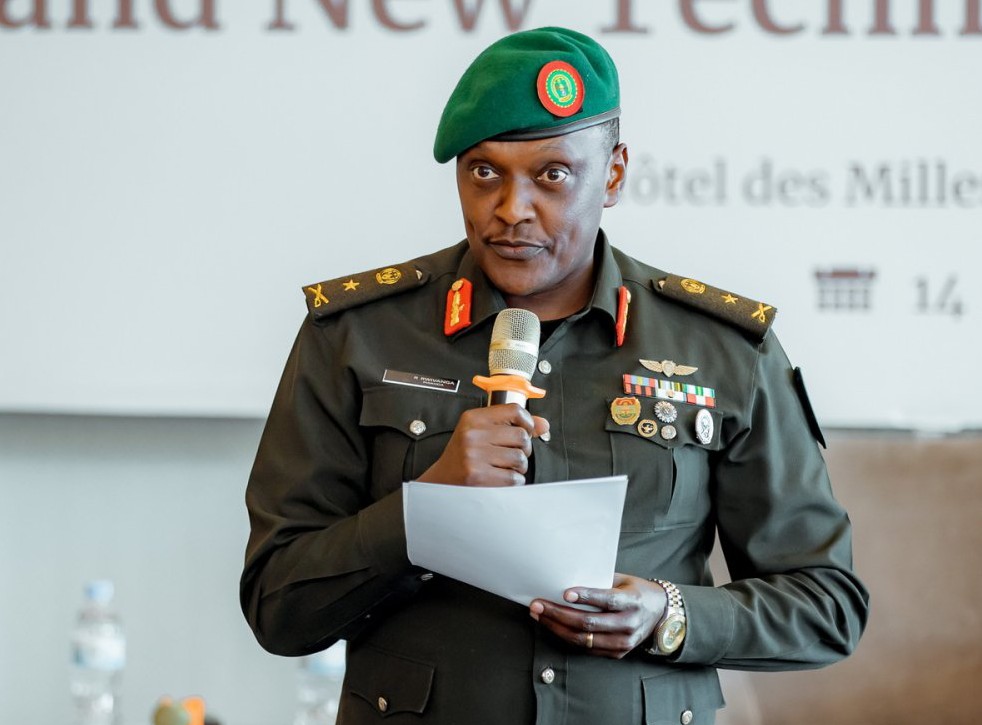
Rwanda’s Defence Minister Hon. Juvenal Marizamunda presided over a major milestone: the graduation of 81 RDF officers from Rwanda Military Academy Gako
Graduates include:
20 in General Medicine & Surgery
61 in Social & Military Sciences
This program, in partnership with University of Rwanda, blends military discipline with academic excellence; strengthening the future of Rwanda’s defence leadership.
“The RDF continues to evolve. At its core is an educated, value-driven officer corps,” Minister Marizamunda.
Congrats to the newest generation of RDF leaders ready to defend with integrity and skill!
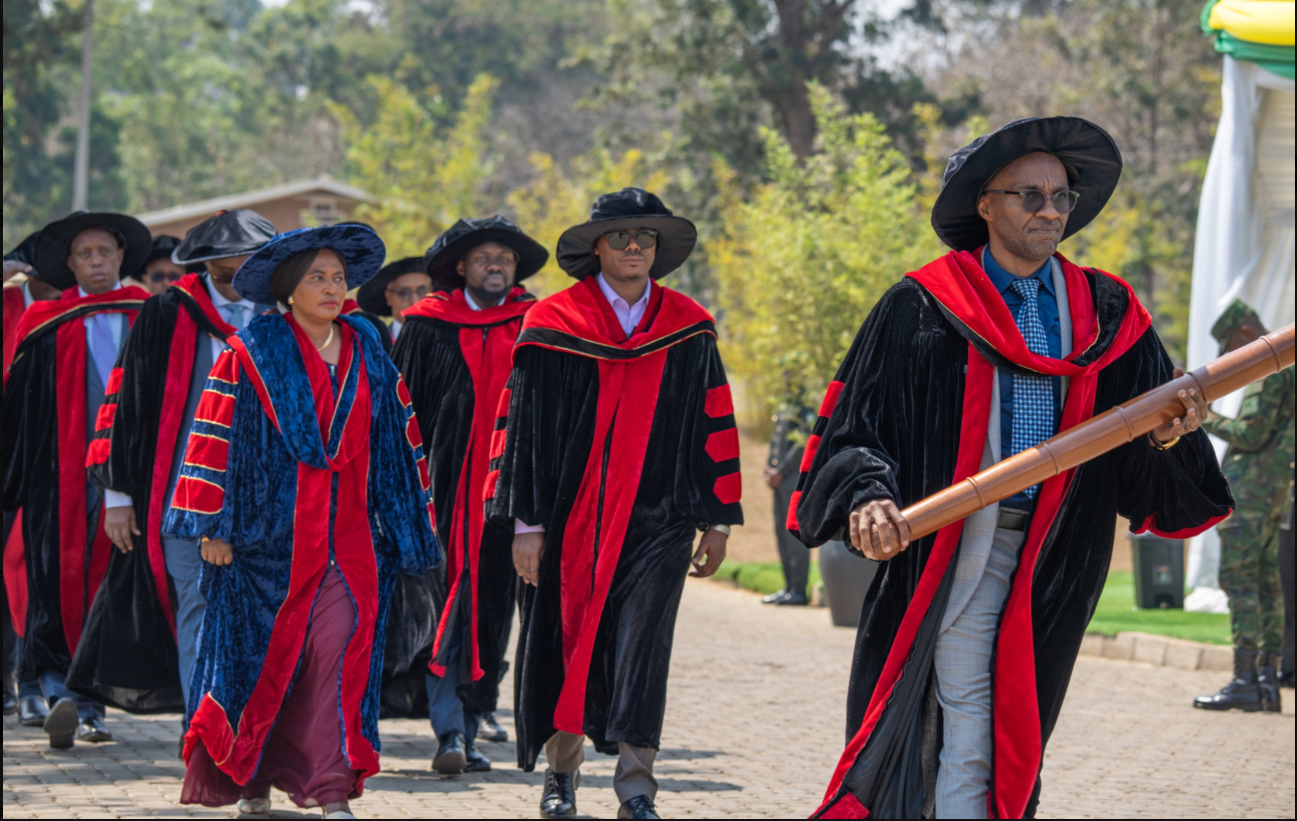
The Rwanda Defence Force (RDF) celebrated a significant academic and professional milestone on Monday as 81 officers graduated from the Rwanda Military Academy Gako. The graduation ceremony, officiated by the Minister of Defence, Hon. Juvenal Marizamunda, marked the culmination of a rigorous program delivered in partnership with the University of Rwanda.
Among the graduates were:
20 officers who completed degrees in General Medicine and Surgery, and
61 officers who specialized in Social and Military Sciences.
Speaking at the ceremony, Minister Marizamunda commended the graduates for their dedication, discipline, and pursuit of academic excellence. He highlighted the strategic importance of developing an educated and ethically grounded officer corps for the sustainability of Rwanda’s peace and security.
“The RDF continues to evolve, and the foundation of that transformation is a strong, educated, and value-driven officer corps,” the Minister said.
The partnership with the University of Rwanda is part of a broader national strategy to bridge the gap between military and civilian education systems. It ensures that RDF officers are equipped with not only tactical and operational knowledge but also the academic and leadership skills needed in modern defence and peacekeeping missions.
The Rwanda Military Academy Gako has long been a pillar in RDF’s human capital development, shaping officers to face both national and international security challenges with competence, integrity, and resilience.
Family members, high-ranking military officials, and academic representatives attended the ceremony, celebrating the graduates’ achievements and reaffirming their vital role in the country’s future.
As Rwanda continues to position itself as a hub for professional and peace-oriented military leadership in Africa, initiatives like this underscore the country’s commitment to building a disciplined, knowledgeable, and principled defence force.
Social and Military Sciences
Social and Military Sciences is a multidisciplinary academic field that combines elements of social sciences (like sociology, political science, psychology, ethics, and international relations) with military studies (strategy, leadership, defence policy, security studies, and operational tactics).
In the Rwanda Military Academy Gako context, officers who specialize in Social and Military Sciences are trained to:
Understand the social dynamics of conflict, peacebuilding, and post-conflict recovery
Analyse national and international security environments
Apply knowledge of military ethics, leadership, and governance;
Develop skills in strategic planning and civil-military cooperation;
Strengthen their ability to interact with civilians, institutions, and international actors during peacekeeping or military operations.
This specialization helps produce military leaders who are not only tactically skilled, but also socially aware, ethically grounded, and politically informed; key attributes for effective service in today’s complex security environment, both in Rwanda and in international missions.
How such a graduate might be deployed in practice?
A graduate with a specialization in Social and Military Sciences from the Rwanda Military Academy Gako can be deployed in varied and strategically critical roles both domestically and internationally, thanks to their well-rounded training in both human and military dimensions.
Here are concrete examples of how such officers may be deployed in practice:
Civil-Military Coordination in Domestic Operations
Example: During national emergencies such as floods or pandemics, they can lead coordination between the RDF and civilian agencies (health, local government, Red Cross, NGOs).
Why them? They understand both military logistics and community dynamics; crucial for gaining public trust and ensuring efficient humanitarian responses.
- Peacekeeping & International Missions (e.g., under UN or AU)
Example: In missions like MINUSCA (Central African Republic) or MONUSCO (DRC), they may serve as:
Civil-military liaison officers,
Public affairs or strategic communication advisors,
Analysts for local political and social contexts.
Why them? Their training in conflict resolution, international law, and social dynamics makes them key to avoiding cultural misunderstandings and enhancing mission effectiveness.
- Intelligence and Strategic Analysis
Example: Assigned to military intelligence or defence policy units where they assess political, social, and security developments (domestic or cross-border).
Why them? They are trained to connect sociopolitical trends with security implications; a skill critical for preventing radicalization, terrorism, or civil unrest.
- Military Advisors in Governance and Policy
Example: Embedded in ministries such as Defence, Youth, or Gender as technical advisors on civil-military relations, DDR (Disarmament, Demobilization & Reintegration), or youth mobilization for national service.
Why them? They are able to translate military objectives into public policy that respects democratic principles and human rights.
- Military Education & Leadership Development
Example: Serve as instructors at training academies or contribute to curriculum development in ethics, leadership, and international affairs.
Why them? Their foundation in social sciences and leadership theory prepares the next generation of officers to lead with both discipline and moral clarity.
- Psychological Operations & Morale Management
Example: Work within RDF’s internal welfare and morale departments, or manage community outreach to reduce anti-military sentiment in sensitive areas.
Why them? Their understanding of group psychology and communication allows them to boost morale and manage public perception.
In short, these officers act as bridges between the armed forces and society, and between tactical operations and strategic vision. Their versatility makes them assets in both uniformed command and policy-oriented support roles.